Cedar vs. Pine Wood Fence for Waco Weather
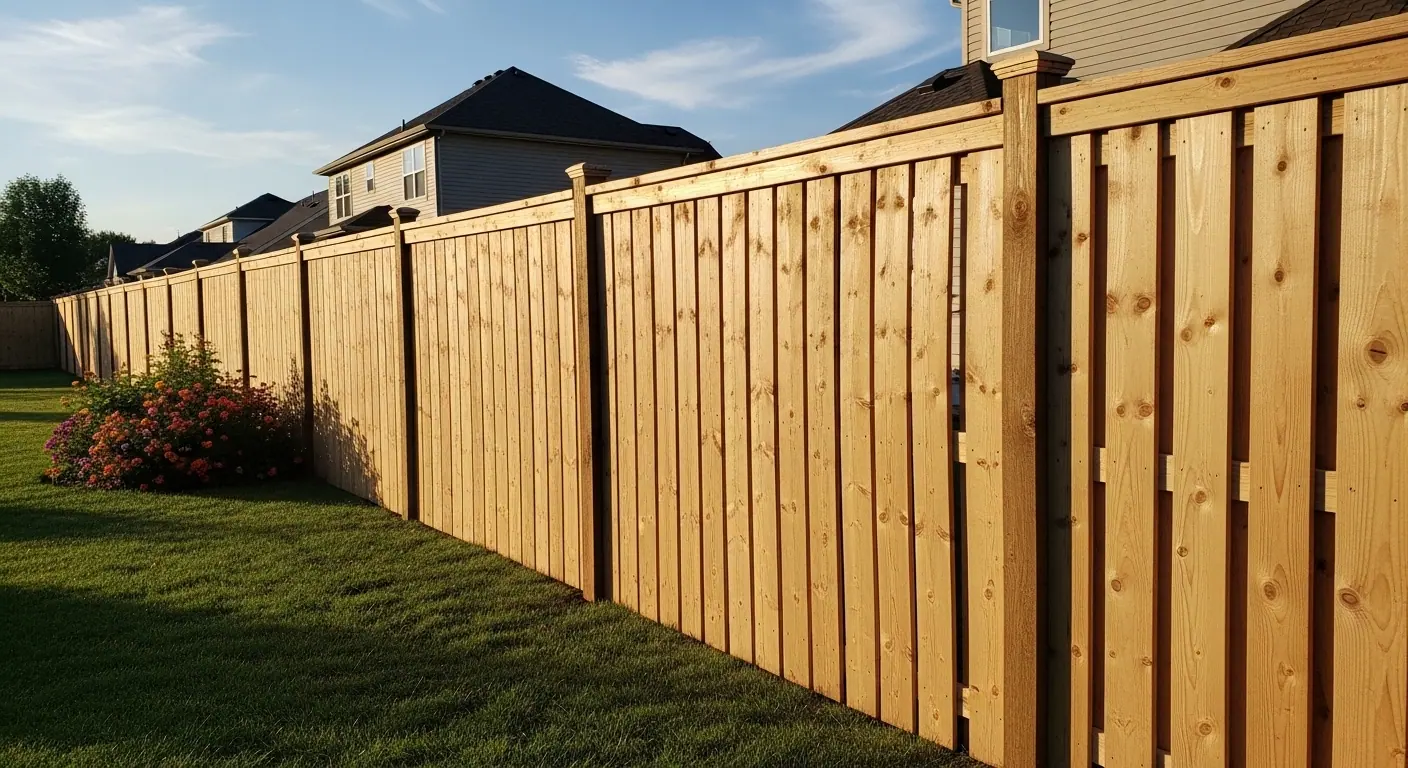
Most Waco homeowners who want a wood privacy fence end up asking the same question: cedar or pine? Both are common, both can look great on day one, and both can serve a family well for years. The difference shows up after a few Central Texas summers, a couple of spring storms and some wet and dry cycles in our clay soil. If you are planning wood fence installation in Waco, TX, understanding how each species handles local weather will help you spend your budget where it actually matters.
How Waco weather tests a wood fence
Wood fences here deal with three main stresses. The first is sun and heat. Long stretches of strong afternoon sun dry the surface of the boards, fade the color and open small checks and cracks. The second is moisture swings. Heavy rain followed by hot, dry days makes wood swell and shrink over and over, which loosens fasteners and encourages cupping and warping. The third is the ground itself. Expansive clay soils around Waco, Hewitt and Robinson move with the seasons and keep the base of each post damp longer than you might expect. Any wood you choose needs to handle all three.
Cedar: natural resistance and a stable look
Cedar contains natural oils that help it resist decay and insects without chemical treatment. It also tends to stay straighter than many other softwoods as it dries, so pickets are less likely to twist or cup over time. Many homeowners also like its color and grain, which can be stained to stay warm or left to weather to a soft gray.
- Good natural resistance to rot and insects in the boards and rails
- Tends to shrink and warp less as it goes through wet and dry cycles
- Lighter weight, which can mean less stress on gates and hinges
- Attractive grain that takes stain well
- Typically costs more per board than treated pine
Cedar is not invincible. In direct sun it will still fade and check if it is never sealed, and cedar used in contact with the ground can still break down. That is why many builders pair cedar pickets with treated or metal posts.
Treated pine: strength and value
Pressure treated pine is pine that has been treated with preservatives to resist rot and insects. It is strong, widely available and usually easier on the budget, which makes it a practical choice for long runs, rental properties and larger lots. Treated pine rated for ground contact is often used for posts, even on fences that use cedar pickets.
- Usually lower material cost than cedar
- Strong and stiff, which is useful for posts and rails
- Ground contact rated lumber is designed for posts set in soil
- Takes stain and paint once it has dried out properly
- More prone to shrinking, twisting and checking as it dries in Texas heat
The main tradeoff with pine is movement. Fresh treated lumber holds a lot of moisture, and as it dries in Waco summers boards can shrink, leaving gaps between pickets, or twist slightly. Good installation practices and timely sealing reduce these issues, but pine generally asks for a bit more attention than cedar.
Mixing materials: the common middle ground
Many wood fences in Central Texas are not all one species. A popular approach is treated pine or galvanized steel posts for strength in the ground, with cedar pickets for a stable, good looking surface. This combination puts each material where it performs best. Steel posts in particular can help in clay soil, since they do not rot at the base. When you request a quote for wood fence installation in Waco, TX, ask what post material is included and how posts are set, because that choice affects lifespan as much as the pickets do.
Maintenance makes the real difference
Whichever wood you choose, upkeep decides how long it looks and performs well. A few habits help both cedar and pine handle Waco weather:
- Let new wood dry before applying stain or sealer, then reapply on a regular schedule
- Keep sprinklers from soaking the same boards every day
- Trim back vines and shrubs so the fence can dry after rain
- Check posts and gates after major storms and tighten loose hardware
- Replace damaged boards early before moisture spreads to rails
If your current fence is leaning, rotting at the posts or missing boards, our fence repair team can help you decide whether a repair or replacement makes more sense.
Which one should you choose?
Choose cedar if you want a fence that stays straighter, looks more refined and needs a little less fuss, and you are comfortable with a higher material cost. Choose treated pine if budget is a priority, you are fencing a long run, or you plan to paint or stain regularly anyway. For many Waco homes, cedar pickets on sturdy treated or steel posts give the best balance. Also check with your city and HOA before you build, since some neighborhoods have rules about height, style or finish.
Get a free fence estimate
JBP Fencing helps homeowners across Waco, Woodway, Hewitt, Bellmead, McGregor, China Spring and Robinson choose the right wood for their yard, soil and budget. We will walk your property, explain your cedar and pine options, and give you a clear quote for wood fence installation in Waco, TX. Call (254) 804-8264 today to schedule your free estimate.
Related
Free Fence Estimates in Waco, TX
(254) 804-8264