Chain Link Fence for Pets and Yards in Waco
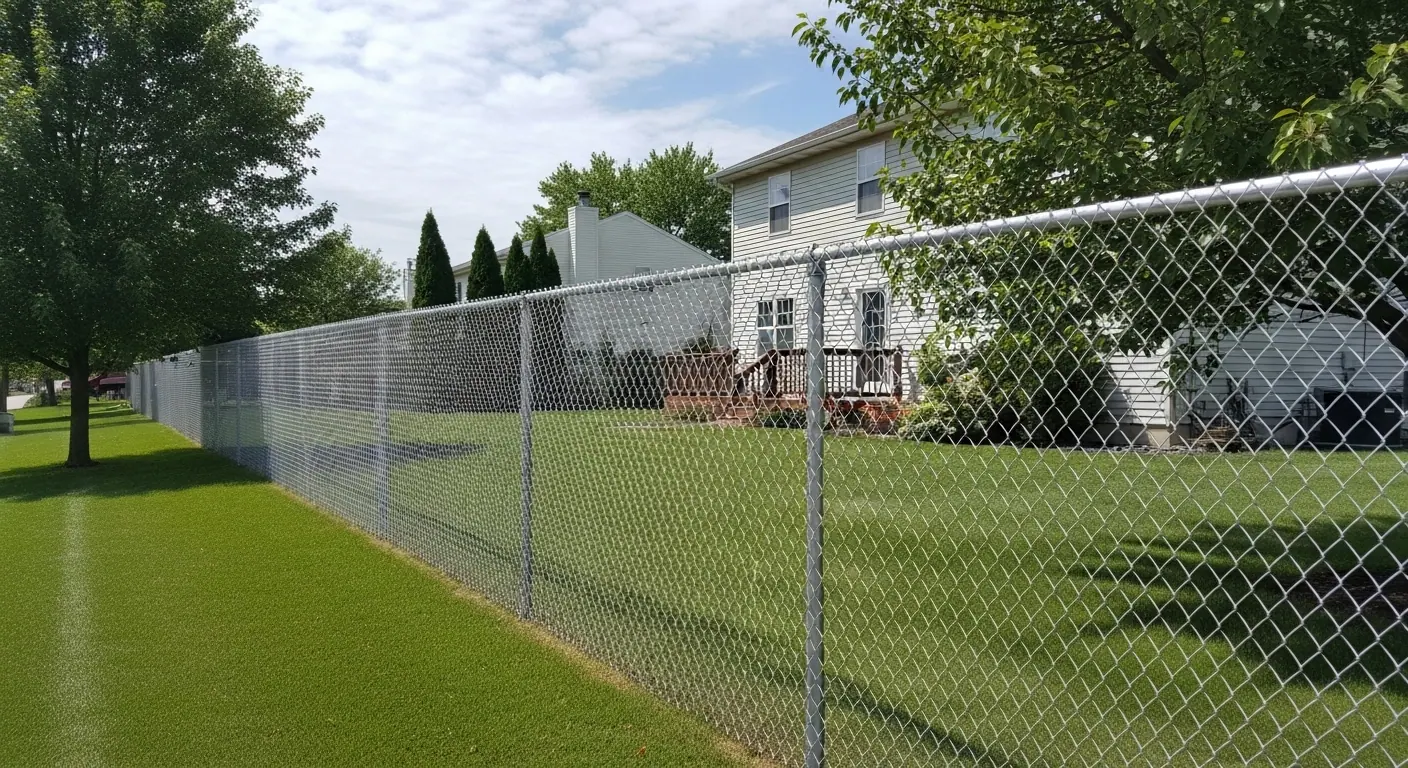
A secure yard gives dogs room to exercise and gives owners more control over outdoor time. Chain link is a practical choice because it provides visibility, airflow and dependable containment at a manageable cost. Still, the best fence for a small, calm dog may not work for a strong climber or determined digger. Planning the fence should begin with your pet, your property and the ways the yard is used each day.
Match the fence height to your pet
Fence height should reflect a dog's size, jumping ability and behavior, not size alone. Many family yards use a four foot fence, but athletic breeds and dogs that chase wildlife may need five or six feet. Watch how your pet responds to people, animals and activity beyond the property. A dog that never jumps during play may behave differently when a squirrel runs past.
Local rules, easements and neighborhood restrictions can limit height or placement. Pool areas have additional safety requirements. Confirm the applicable rules before selecting materials, and make sure the finished height is measured from the grade along the complete fence line.
Choose mesh and wire that fit the job
Chain link systems vary in wire gauge, mesh opening and coating. Heavier wire generally provides more strength, while smaller mesh openings can help contain small dogs and make climbing more difficult. Galvanized steel offers familiar silver protection against corrosion. Vinyl coated fabric provides a softer visual finish, commonly in black, and can blend well with landscaping.
- Select a mesh opening small enough for the pet's head and paws.
- Use sturdy terminal posts at corners, ends and gates.
- Include a continuous top rail to support the fabric.
- Ask about bottom tension wire where digging or pushing is a concern.
- Choose hardware and coatings intended for outdoor residential use.
Material specifications should be compared as a complete system. Strong fabric cannot correct undersized posts, shallow footings or weak fittings. A proposal for chain link fence installation in Waco, TX should clearly identify the height, gauge, mesh, post sizes and coating so you know what is included.
Close gaps without blocking drainage
Uneven Central Texas yards can leave openings below the fence. Small dogs may squeeze through, while persistent pets can enlarge a low spot by digging. The installer can follow gentle grade changes, adjust the fabric or recommend a suitable barrier at problem areas. Bottom tension wire helps keep fabric from flexing, but it does not replace thoughtful grading or training.
Avoid filling every gap without considering stormwater. Solid boards, rocks or buried material can redirect runoff, collect debris or create maintenance problems. Drainage routes should stay open enough to carry water safely. If the yard has severe erosion or standing water, address that condition alongside the fence plan.
Give gates extra attention
Gates are the most frequently used parts of many pet fences. A gate should have a rigid frame, appropriate hinges and a latch that closes reliably without being easy for a dog to operate. Check the space beneath it across the full swing. Sloped ground may require a different gate location or a planned clearance solution.
Think about daily routines before deciding where gates belong. A direct route from the driveway can simplify lawn care, while a second gate may provide safer access during repairs or emergencies. Double gates need enough structural support to stay aligned. Self closing or lockable hardware can add control when children, visitors or service providers use the yard.
Consider visibility, privacy and yard use
Open mesh allows owners to see pets easily and preserves airflow, but some dogs become overstimulated by activity outside the fence. Privacy slats or a purpose made screen can reduce visual triggers in targeted areas. These products also increase wind load, so posts and footings must be designed for the added resistance. Landscaping can provide softer screening if plants are kept far enough away for inspection and maintenance.
Place play equipment, storage bins and wood piles away from the fence so they do not become climbing platforms. Keep grills and heat sources clear of coated fabric and privacy products. If the yard serves both pets and entertaining areas, plan gate locations and screened sections so traffic remains convenient.
Inspect and maintain the fence regularly
Chain link needs relatively little care, but routine checks protect both the fence and the pet. Walk the perimeter after severe weather and look for loose ties, bent fabric, washed out soil, leaning posts and gate latches that no longer align. Trim vines and remove debris that holds moisture against coated components. Repair sharp wire ends or escape gaps promptly.
Training remains part of safe containment. Introduce a dog to the finished boundary under supervision and discourage digging, climbing or charging the fence. Identification, shade and fresh water are still essential. No residential fence should replace supervision for a pet with known escape behavior.
Get a free fence estimate
JBP Fencing can plan chain link fence installation in Waco, TX around your pets, gates, drainage and property layout. We serve Waco and nearby communities including Woodway, Hewitt, Bellmead, McGregor, China Spring and Robinson. Call (254) 804-8264 to schedule a free fence estimate and discuss a durable solution for your yard.
Free Fence Estimates in Waco, TX
(254) 804-8264