Fence Post Depth and Spacing for Waco, TX Yards
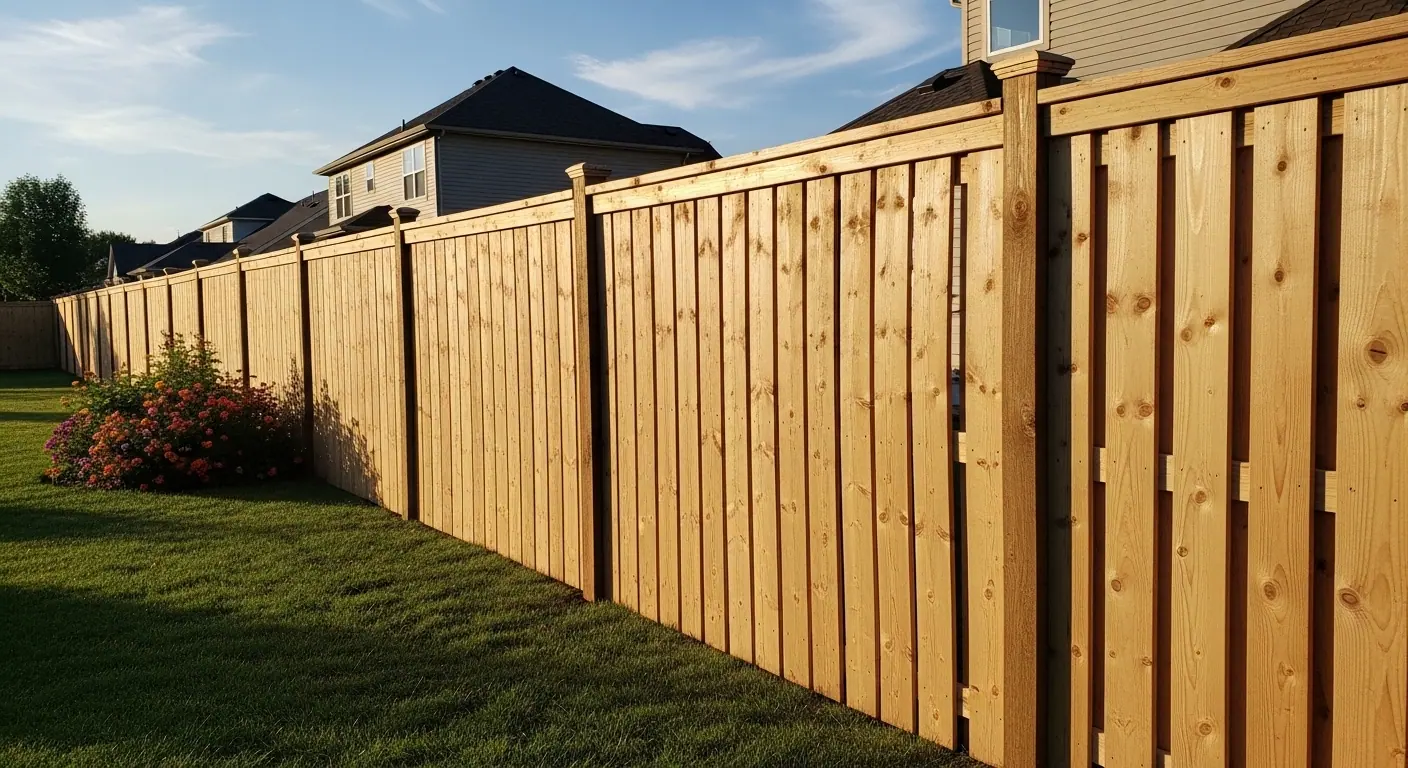
A fence can have premium cedar pickets and attractive hardware, but it will only remain straight if the posts beneath it are planned and installed correctly. Waco properties face expansive clay, intense summer heat, sudden downpours and strong storm winds. Those conditions repeatedly push, pull and twist a fence line. Careful fence post installation in Waco, TX gives every rail, panel and gate a stable foundation instead of leaving the structure vulnerable to leaning and premature repairs.
Why post depth matters in Central Texas
Post depth controls how much leverage wind can place on the buried foundation. A shallow post may look solid when the concrete is fresh, then loosen after wet clay swells and dry clay contracts. The correct hole depends on fence height, post size, soil, material and exposure. Taller privacy panels catch more wind than open chain link or ornamental metal, so they generally demand stronger support.
There is no single depth that fits every yard. A contractor should inspect the route for filled soil, rocky layers, drainage channels and changes in grade. Corners, ends and gates often require larger posts or deeper foundations because they carry concentrated loads. Professional fence post installation in Waco, TX treats these structural points differently from ordinary line posts.
Spacing affects strength and appearance
Post spacing determines how far rails and panels must span without support. Wider spacing can reduce the number of holes and lower an initial bid, but it also increases flexing and sagging. Narrower spacing adds support, yet unnecessary posts add cost and can make manufactured panels difficult to fit. The best layout follows the chosen material specifications and adjusts for corners, slopes and gate openings.
- Wood privacy fences need spacing that supports every rail and limits bowing between posts.
- Prebuilt vinyl and ornamental panels require exact spacing based on their manufactured width.
- Chain link terminal posts belong at corners, ends and gates, with line posts supporting each run.
- High wind areas and exposed lots may justify closer spacing or upgraded post dimensions.
A good fence post installation in Waco, TX starts with a measured layout. Installers should mark every post before digging, confirm that sections divide cleanly and locate gate openings where they can swing freely. This prevents a narrow leftover panel, an off-center gate or a corner that does not align with the property boundary.
Concrete should support the post without trapping water
Concrete provides mass and resists movement, but the shape and finish of the footing matter. A loose, undersized plug offers limited resistance. Concrete that forms a bowl around a wood post can collect rainwater and accelerate decay near grade. The top should shed water, and the footing should be appropriate for the post material and soil conditions.
Wood posts must be rated for ground contact. Even treated lumber lasts longer when water can drain away and sprinklers do not soak the base every day. Steel posts should have suitable corrosion protection, especially where scratches or cut edges expose bare metal. Detailed fence post installation in Waco, TX considers the whole assembly rather than concrete alone.
Gate posts need extra planning
A gate acts like a lever attached to one post. As the gate opens, closes and catches wind, its weight pulls against the hinges. A standard line post may begin to lean, causing the latch to miss and the bottom edge to drag. Wider wood gates, double driveway gates and heavy ornamental gates need reinforced posts, appropriate hinges and a design that controls sag.
Gate location matters too. Placing a swing gate across a slope can reduce ground clearance, while placing it in a drainage path exposes the post foundations to erosion. Before fence post installation in Waco, TX begins, confirm the gate width, swing direction, vehicle clearance and finished ground elevation.
Utilities and property lines come before digging
Every post hole should be planned around marked utilities. Public utility locating identifies many underground lines, but private irrigation, septic, lighting and service lines may need separate attention. Property corners should also be verified from a survey rather than assumed from an old fence or mowing line. Moving a misplaced fence costs far more than confirming the route first.
Drainage is equally important. Posts should not create a barrier that redirects runoff toward a home or neighboring lot. In low areas, the fence design may need clearance that lets stormwater pass without piling debris against the lower rails. Experienced fence post installation in Waco, TX balances structural support with how water naturally crosses the property.
Questions to ask before accepting an estimate
A written estimate should identify post material, dimensions, spacing, foundation method and any upgrades for corners or gates. Ask how the contractor will respond to rock, soft fill or unexpected buried material. Also confirm who handles utility locating, old concrete removal and final cleanup. Clear specifications make bids easier to compare and help prevent shortcuts after work begins.
JBP Fencing plans each post layout for the fence material, terrain and real conditions on the property. For dependable fence post installation in Waco, TX and a clear written estimate, call (254) 804-8264 to schedule a free on-site consultation.
Free Fence Estimates in Waco, TX
(254) 804-8264