How to Prep Your Yard for Fence Installation in Waco
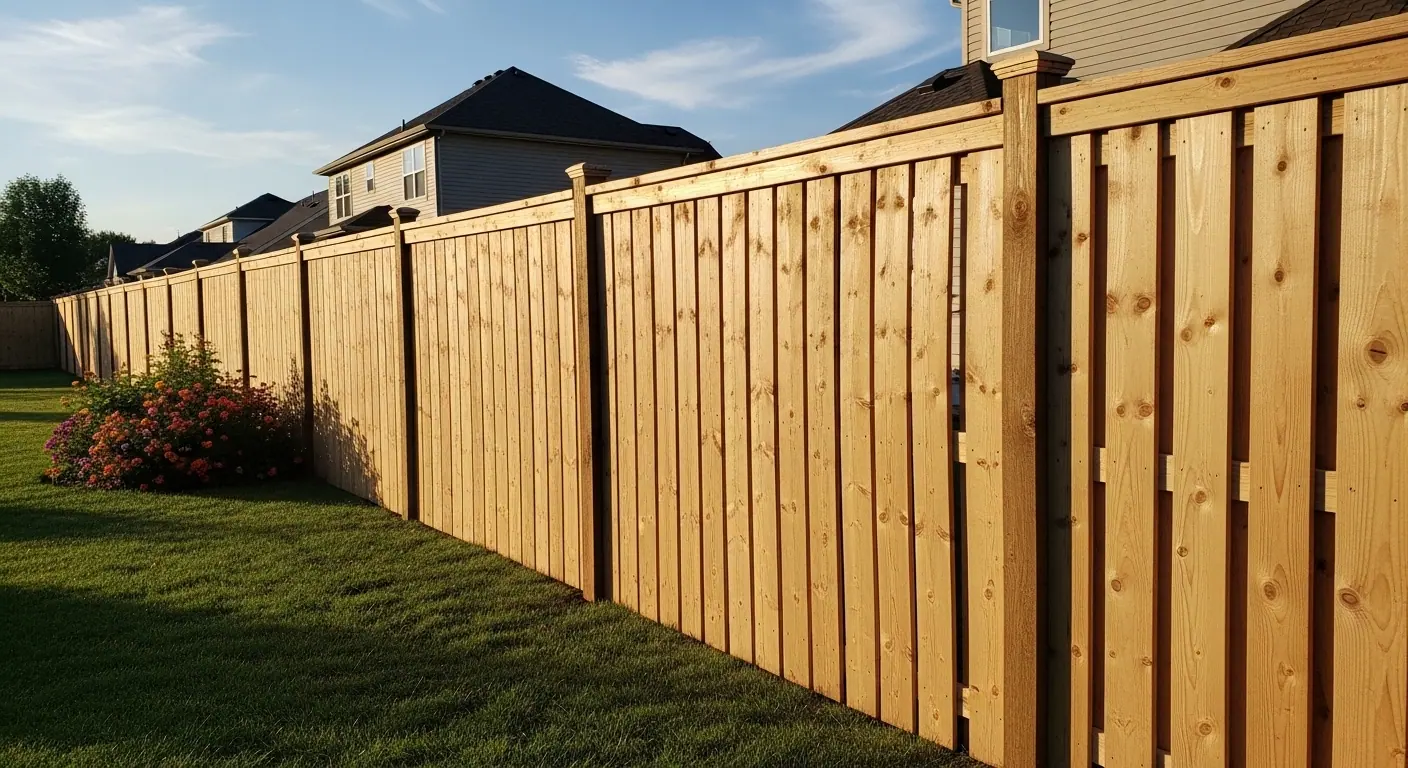
Good preparation helps a fence project begin safely, stay organized, and avoid preventable delays. Before fence installation in Waco, TX, homeowners should confirm the layout, clear the work area, plan for pets, and identify anything underground that could affect post locations. Central Texas yards can include hard soil, irrigation lines, drainage paths, mature roots, and utility easements, so a quick cleanup alone is not enough. This guide explains what to handle before installation day and what details to review with your contractor.
Confirm the fence layout and property boundaries
Start by walking the proposed fence line with your contractor. Confirm corners, gate locations, transitions between materials, and where the new fence will meet a house or existing structure. If the project follows an old fence, do not assume the existing line matches the legal property boundary. Review a current survey and locate property pins when possible. If the boundary is unclear or disputed, hire a licensed surveyor before construction begins.
Also review easements, setback requirements, HOA rules, and local permit needs. These items can affect height, placement, material, or access. Written approvals should be complete before materials arrive. Resolving the layout early is easier and less expensive than moving posts after concrete has cured.
Arrange utility marking and identify private lines
Fence posts require repeated digging, which makes underground planning essential. Arrange for public utilities to be marked before the scheduled start date. Public markings may not include privately installed lines after the meter, such as irrigation pipes, landscape lighting, pool equipment, septic components, propane lines, or electrical service to a detached building.
- Show the contractor all visible meters, valves, cleanouts, and utility boxes.
- Mark sprinkler heads and explain where irrigation zones run.
- Identify private electrical, gas, drainage, septic, and communication lines.
- Point out buried pet fencing or landscape edging near the work area.
- Discuss alternate post locations when markings conflict with the planned route.
Do not remove utility flags or paint markings before the crew finishes digging. If a line runs close to the proposed fence, the contractor may adjust post spacing, use a different gate position, or recommend additional investigation. Accurate information protects workers, the property, and essential services.
Clear a practical work zone
Crews need room on both sides of the fence line to carry materials, dig post holes, set panels, and remove debris. Move patio furniture, grills, toys, planters, hoses, decorations, and portable storage at least several feet away. Pick up pet waste, trim tall grass, and remove loose branches or rocks that could create trip hazards. Unlock gates and make sure the path from the street or driveway is wide enough for materials and equipment.
Talk with the contractor before cutting shrubs, vines, or tree limbs. Some plants can be tied back and protected, while others may block the planned route or interfere with post depth. Mature roots deserve special attention because aggressive cutting can harm a tree. A small layout adjustment may protect important landscaping without reducing the fence function.
Plan for old fence removal and material access
If an existing fence must come down, decide who will remove and haul it away. Ask whether concrete footings will be extracted, cut below grade, or reused when structurally appropriate. Remove anything attached to the old fence, including lights, signs, planters, wire, cameras, and decorative panels. Tell neighbors when a shared boundary will be temporarily open, especially if either household has pets or young children.
Choose a staging area for new materials and confirm that it will not block vehicles, drainage, or daily access. Protect delicate driveways, irrigation equipment, and septic areas from heavy loads. Efficient staging matters because crews may need to move long rails, panels, posts, and bags of concrete across the property.
Prepare pets, children, and daily routines
The yard may be unsecured during removal and construction, and open post holes, tools, and stacked materials can create hazards. Keep pets indoors, on a leash, or at another secure location until the contractor confirms that gates and fence sections are ready. Children should stay away from the work zone. If you need access to a driveway, trash area, or back door during the project, discuss the schedule before work begins.
Provide a reliable phone number for questions that arise during installation. Soil conditions, hidden concrete, roots, or utility conflicts sometimes require a quick decision. Being reachable helps the crew solve an issue without losing the workday or choosing a change you have not approved.
Complete a final pre-installation walkthrough
A day or two before construction, compare the proposal with the marked layout. Confirm material, fence height, finished side orientation, gate widths, latch locations, and any slope treatment. Photograph the work area, nearby landscaping, and utility markings for your records. Make sure payment terms, cleanup, expected timing, and weather procedures are understood.
This final review gives both homeowner and contractor the same expectations. A prepared yard will not eliminate every surprise, but it greatly reduces confusion and gives the crew a safer, clearer place to work.
Get a free fence estimate
JBP Fencing can help you plan your project from the first site walk through final cleanup. We serve Waco and nearby communities including Woodway, Hewitt, Bellmead, McGregor, China Spring, and Robinson. Call (254) 804-8264 to discuss your yard, compare fencing options, and request a free estimate.
Free Fence Estimates in Waco, TX
(254) 804-8264