Residential vs Commercial Fence Installation in Waco
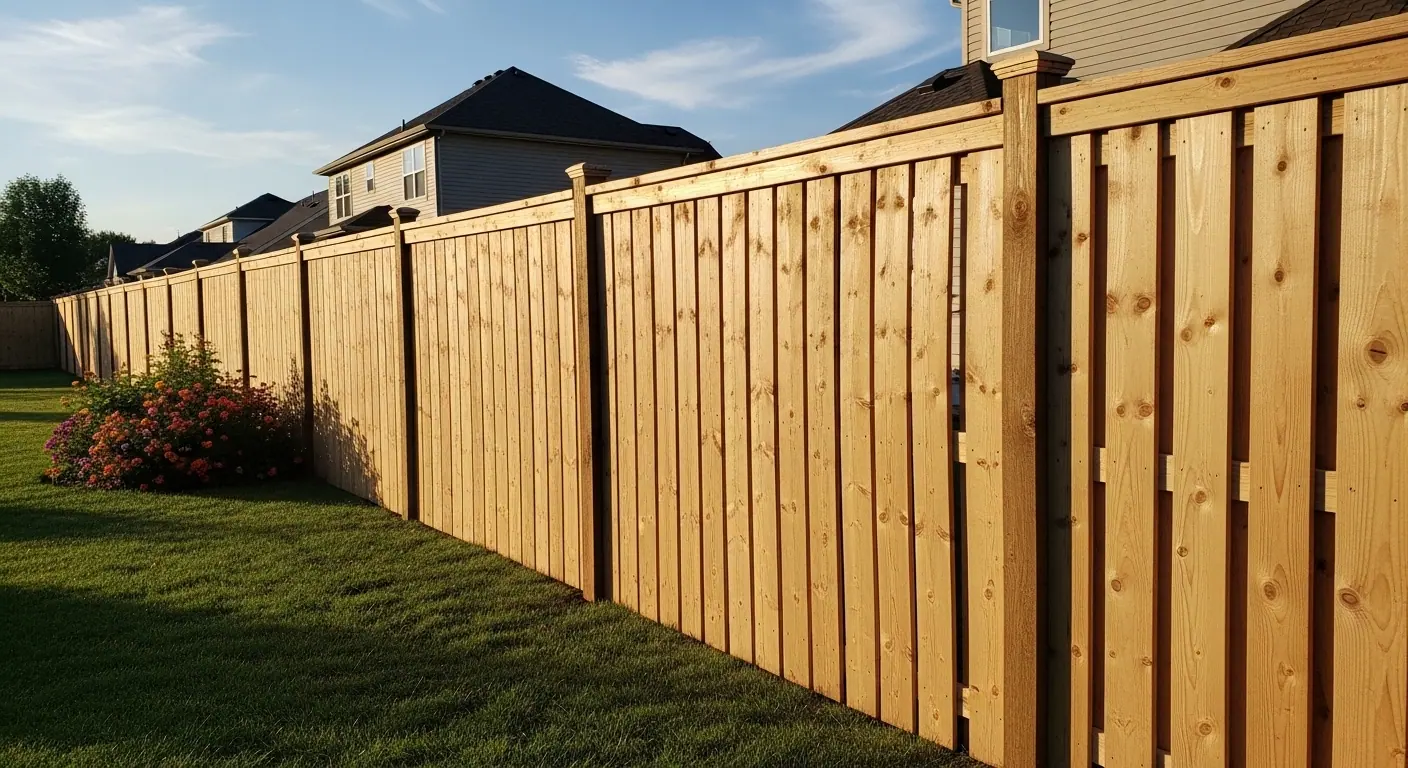
A fence around a home and a fence around a business can serve similar purposes, but the projects are rarely identical. Both may define boundaries, improve security and control access. The differences appear in scale, materials, gate traffic, code requirements and the consequences of downtime. Understanding those factors helps property owners compare proposals fairly and avoid paying for features they do not need. When planning residential fencing in Waco, TX, the best design starts with daily use, while a commercial design often starts with operations and risk.
Residential fences prioritize privacy and daily living
Homeowners usually want a fence that makes the yard more comfortable and useful. Privacy for patios, safe space for children or pets, curb appeal and clear property lines often lead the list. Wood privacy fencing remains popular because it offers a warm appearance and flexible design. Vinyl can provide privacy with less routine finishing, while ornamental metal works well where visibility and a refined look matter. Chain link is a practical choice for affordable containment and open sightlines.
A residential layout should reflect how the household actually moves. Gate locations need to work for trash bins, lawn equipment, guests and emergency access. Pool areas may have specific barrier and latch requirements. Slopes, drainage, utilities and neighboring structures can also influence the route. A careful site walk often reveals that a mixed design, such as privacy fencing in back and an open style near the front, serves the property better than one material everywhere.
Commercial fences focus on security and operations
Commercial fencing must protect people, inventory, equipment or controlled areas without disrupting the business. Warehouses may need tall chain link systems, wide vehicle gates and visibility for cameras. Offices and multifamily properties may favor ornamental metal near public entrances. Service yards can require screening, stronger framework or access controls. The fence is part of an operating system, so loading patterns, employee parking, delivery schedules and emergency routes must shape the design.
Scale also changes the engineering and logistics. Long runs place more importance on grade changes, post spacing and efficient installation sequencing. Large gates need frames, hinges, rollers or operators sized for frequent use. Privacy slats and screening fabric increase wind load and may require stronger posts or footings. A commercial proposal should explain these details clearly instead of listing only footage and height.
Compare materials by performance, not labels
The same general fence type can have very different specifications. A light residential chain link system is not equivalent to heavier commercial fabric and framework. Wood fences vary by picket thickness, rail count, post material and fasteners. Ornamental systems differ in panel construction, coatings and gate hardware. For residential fencing in Waco, TX, appearance and privacy may carry more weight. For a commercial site, resistance to impact, cutting, climbing or repeated gate cycles may be more important.
- Wood offers privacy, repair flexibility and a traditional residential look.
- Vinyl provides clean screening with limited painting or staining needs.
- Chain link delivers visibility, containment and economical coverage for large areas.
- Ornamental metal combines open sightlines with a polished appearance.
- Security toppings, access controls and heavy gates suit select commercial applications.
Central Texas weather should be part of every material decision. Strong sun, wind, storms, expansive soil and drainage issues affect both residential and commercial installations. Product quality matters, but correct post setting, bracing and water management matter just as much. Ask the contractor how the proposed system responds to the actual site rather than relying on a generic material recommendation.
Codes, permits and property information affect scope
Fence height, visibility near driveways, easements and utility locations can affect where and how a fence is built. Residential properties may also have deed restrictions or homeowners association rules. Commercial sites can involve site plans, fire access, accessibility, security standards and coordination with landlords or facility managers. Requirements vary by location and project, so they should be confirmed before materials are ordered.
Accurate boundaries are equally important. A contractor can help lay out the planned fence, but the owner should provide reliable survey or property information when boundary location is uncertain. Public utility locating should occur before digging, and owners must identify private lines that may not appear in a standard locate. Irrigation, lighting, gate power, data and private water lines are common examples.
Budget for the complete installed system
Price per foot is useful only when proposals describe the same work. Gates, demolition, haul away, rock, difficult access, staining, permits and automated controls can materially change the total. Commercial work may also require phased installation or temporary security. Residential work may include custom transitions, decorative tops or extra gates. Request an itemized scope that identifies materials, post spacing, hardware, cleanup and assumptions.
Value comes from matching the specification to the risk and expected use. A backyard gate opened twice a day does not need the same hardware as a business gate cycling dozens of times. Likewise, a decorative office frontage may need a different system than a screened equipment yard. Good planning keeps a residential project from becoming unnecessarily expensive and prevents a commercial project from being underbuilt.
Choose an installer with the right planning process
A qualified installer should ask questions before recommending a fence. For a home, those questions should cover privacy, pets, children, gates, maintenance preferences and appearance. For a business, expect discussion of assets, traffic, hours, access credentials, cameras and installation phasing. In both cases, the written proposal should be specific enough that you understand what will be installed and how changes will be handled.
Whether you need a secure business perimeter or residential fencing in Waco, TX, evaluate communication as carefully as materials. Confirm the schedule, site access, cleanup and point of contact. A clear process reduces surprises and helps the finished fence support the property for years.
Get a free fence estimate
JBP Fencing installs residential and commercial fence systems in Waco and nearby communities, including Woodway, Hewitt, Bellmead, McGregor, China Spring and Robinson. Call (254) 804-8264 for a free estimate and a practical recommendation based on your property, security needs, access and budget.
Free Fence Estimates in Waco, TX
(254) 804-8264